Sustainability key to attracting new construction talent
Sustainability key to attracting new construction talent
Highlighting jobs with a purpose.

We know that the built environment, and the construction industry in particular, has a significant skills gap, and attracting young people and new entrants into the industry is a high priority.
At the same time, numerous studies show a strong desire among young people (Gen Z and younger Millennials) to pursue sustainable careers. So, how can we ensure the industry is attractive to this demographic?
What does the data say?
Recent studies indicate that environmental and social impact is an important consideration for a significant number of young people and graduates looking for work, with many prepared to reject employers and avoid industries that are lacking in these areas.
- High Demand for Green Roles: According to a 2024 report by the Green Alliance, 94% of young people aged 15-24 aspire to have green jobs and careers.
- Purpose-Driven Work: A 2025 Deloitte Global survey found that 89% of Gen Zs consider a sense of purpose to be important to their job satisfaction and well-being, including having a positive impact on society.
- Climate Quitting: A 2023 KPMG report found that one in three 18–24-year-olds have rejected or left a job offer because the employer's environmental, social, and governance commitments did not align with their values.
- Prioritising Sustainability in Selection: Over 70% of Gen Z and Millennials consider a company's environmental sustainability practices to be a key factor when choosing where to work.
- Job Searching Behaviour: Around 50% of young graduates have actively looked at a company’s sustainability plan or corporate social responsibility policy before applying.
Where does the construction industry fit into all this?
Environmental sustainability is a pressing issue for construction, and we recognise that the built environment has a significant environmental impact. Globally, it is responsible for an estimated 40% of global carbon emissions, with 11% arising from construction projects, as well as using roughly half of the raw materials extracted, and creating around a third of the world’s overall waste.
But that shouldn’t make it unattractive to a generation of graduates wanting to make a difference, because the good news is that the industry is well positioned to make a significant contribution. It is a diverse industry, with wide range of knowledge, expertise and skills – used to working across disciplines as that’s how you deliver complex projects (and is also key to addressing sustainability issues).
There is a large opportunity to improve existing building stock and to build for a sustainable future – because what we build today will shape our tomorrow. The industry is responding to this challenge and must continue to do so at pace if we are to attract and retain the next generation of talent.
The built environment also has a vital role to play in delivering social sustainability, through the facilities we develop, which shape community health, equity, accessibility and quality of life by providing safe, inclusive, and accessible homes and other spaces, as well as vital supporting infrastructure for the public benefit.
A wide range of opportunities
Sustainability knowledge and skills have never been in greater demand in the built environment. This includes in traditional roles like project managers, construction managers, civil engineers and surveyors; in fact, it can easily be argued that all roles require some element of green skills to meet the challenges faced by the industry today.
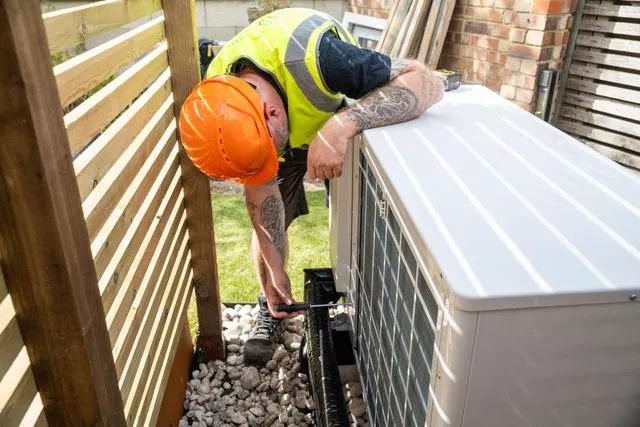
But there are also a multitude of specialist ‘green jobs’ now across the industry. From sustainability and social value managers to retrofit coordinators and heat pump installers, energy managers, ecologists and sustainable designers, to name just a few!
How can the industry respond?
To leverage on the opportunity and attract young people into the industry, we must tell loudly the positive stories about the significant social contribution the industry makes by developing crucial social infrastructure like homes, schools and hospitals, as well as accelerating our commitment to environmental sustainability in the built environment, so that the industry is strongly positioned as part of the solution and not part of the problem.
We can also showcase the areas where the industry is at the cutting edge of new technologies to address sustainability challenges, such as the use of AI or drones, 3D printing and modern methods of construction, to appeal to a tech-savvy generation.
This of course goes hand-in-hand with a continued need to challenge negative perceptions and stereotypes about our industry, and work hard to promote equity, diversity and inclusion in the built environment, as CIOB research into attracting more young people in to construction showed.
Resources
Construction is an exciting industry with lots of potential to offer satisfying and purpose-driven careers for people who want to make a difference, and that’s why we have developed some new resources to encourage people to consider a career in sustainability in construction.
This includes a new Careers in Sustainability in Construction video, which is also supported by four longer interviews with construction professionals working to embed sustainability in their practice. These can all be found via the CIOB Aspire Playlist: Finding the next generation of construction professionals.
We have also developed a new lesson plan on Careers in Sustainability in Construction, which can be used by educators and careers advisors, CIOB Construction Ambassadors, and Sustainability Ambassadors to highlight the range of opportunities that are available, which is included in the Think Construction Toolkit.
Contact our Press Office
We welcome requests for information, comments and interviews from journalists across the globe, so please feel free to contact us: