COP31: A Critical Moment for the Built Environment
COP31: A Critical Moment for the Built Environment
Amanda Williams, Head of Environmental Sustainability at CIOB outlines CIOB's involvement at COP31 and key takeaways for the built environment.

COP31 took place against an increasingly stark scientific backdrop. Throughout the summit, one message came through loud and clear: we are not just experiencing a gradual warming of our planet. Scientists are warning that we are approaching, and potentially crossing, critical thresholds and tipping points in interconnected Earth systems, from ice sheets and ocean circulation patterns to ecosystems that support biodiversity, economies and communities around the world.
For those of us working in the built environment, that reality should sharpen our focus. Construction is not on the sidelines of the climate challenge. It sits at the heart of it. The decisions we make today about the buildings, infrastructure and places we create will influence both our ability to reduce emissions and our capacity to adapt to a changing climate.
That sense of urgency was evident throughout COP31, which I attended as a delegate of the Society for the Environment. While the scale of the challenge remains immense, there was also growing recognition of the critical role our sector must play in delivering climate solutions.
One of the most encouraging developments was the prominence of the built environment within international climate discussions. Across negotiations, industry forums and thematic events, there was increasing acknowledgement that global climate goals simply cannot be achieved without fundamentally transforming the way we design, construct, retrofit and operate our buildings and infrastructure.
This was particularly clear during the Resilient Cities and Built Environment thematic day, which brought together governments, industry leaders and practitioners to explore how the sector can accelerate both mitigation and adaptation. A recurring theme was that resilience can no longer be treated as a future ambition or a separate conversation from decarbonisation. It must be embedded into the way we plan and deliver projects now.
One initiative that really resonated was the launch of the Antalya Compact for Energy Efficient Buildings. At a time when there is understandable focus on emerging technologies and major system transformations, the Compact serves as an important reminder that improving the performance of our buildings remains one of the most effective climate actions available to us. Better building envelopes, energy-efficient systems and high-quality retrofit can reduce emissions, improve resilience and deliver tangible benefits for occupants. For construction professionals, the Compact reinforces the critical role our sector has in turning climate ambition into practical outcomes through the buildings we design, construct and manage every day.
Electrification was another major focus. The COP31 Presidency's 35x35 commitment highlighted growing momentum behind accelerating the transition away from fossil fuels by increasing the share of final energy demand met through clean electricity. For our sector, this presents significant opportunities, but also responsibilities. Delivering buildings that are energy efficient, resilient and ready to operate within an increasingly electrified energy system will be essential.
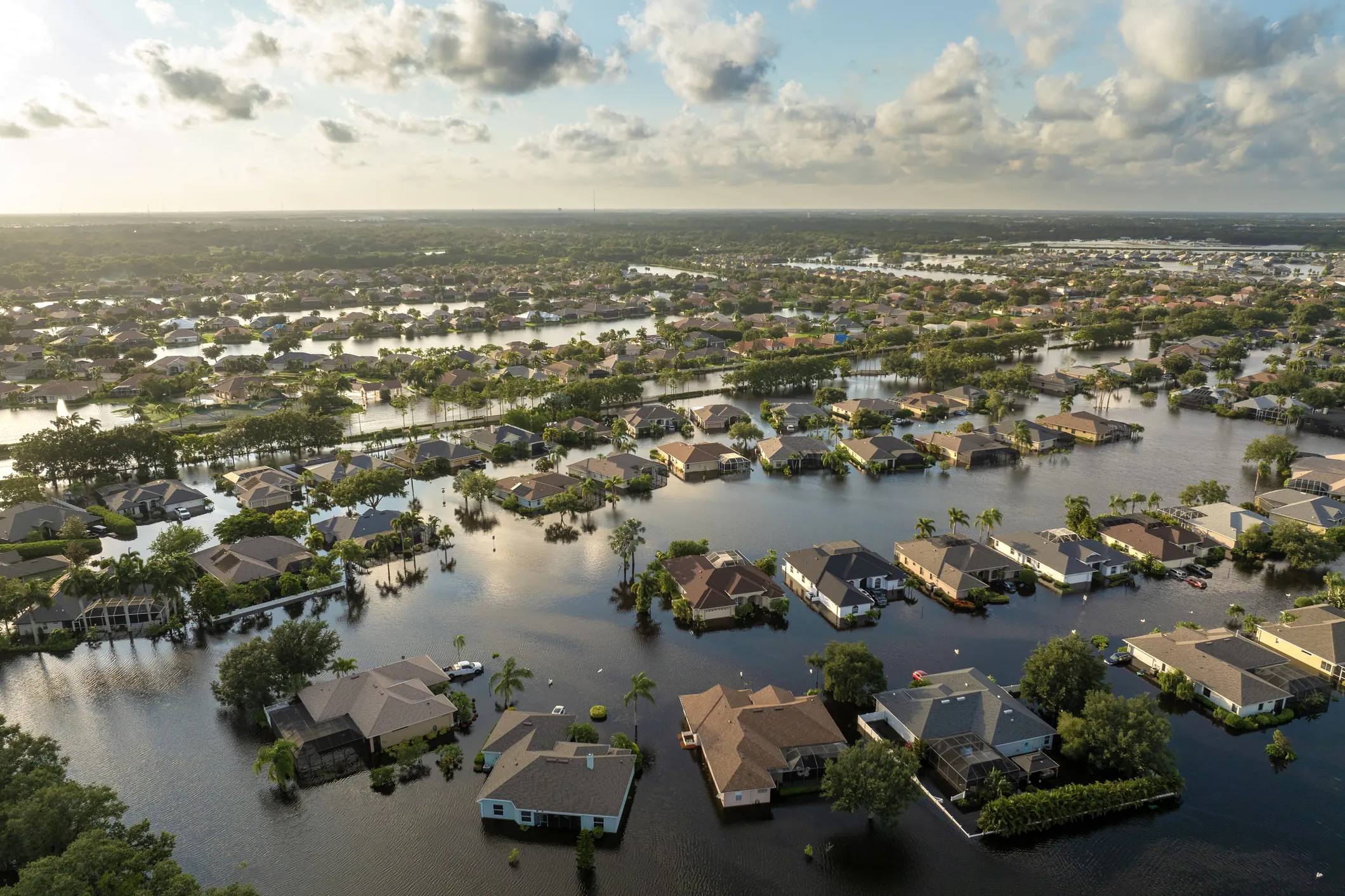
At the same time, COP31 reinforced the importance of resilience and adaptation. Communities across the world are already experiencing the impacts of climate change through heatwaves, flooding, drought and more frequent extreme weather events. The question is no longer whether we need to prepare for these impacts, but whether we are moving quickly enough. The homes, schools, hospitals and infrastructure we deliver today must be designed for the climate conditions of the future, not those of the past.
For CIOB, these discussions reinforced something we have long advocated: the transition will not be achieved through technology alone. Success depends on people. It requires a skilled, competent workforce capable of implementing new approaches, adopting innovation and delivering projects that create environmental and social value alongside economic outcomes. But it also depends on our ability to take communities with us in this transition.
Throughout COP31, CIOB was proud to champion the role of the built environment in climate action, contributing to discussions on sustainable construction, retrofit, resilience and adaptation, circular economy, skills and professional competence. These conversations repeatedly returned to a simple point: we already have many of the solutions we need. What we now require is greater pace, scale and consistency in their delivery.
Yet COP31 ended with disappointment. Despite the urgency of the science and the growing momentum behind sectoral initiatives such as the Antalya Compact for Energy Efficient Buildings, governments were ultimately unable to reach agreement on a final deal.
While this outcome was frustrating, it is important to recognise that no deal can be better than a weak deal that fails to match the scale of the challenge or risks undermining ambition. In that context, the leadership shown by the European Union and others in refusing to accept an inadequate outcome demonstrated the importance of maintaining credibility in the international climate process. Meaningful progress will require agreements that accelerate action, not simply agreements for agreements sake.
That is perhaps the biggest takeaway from COP31. While the summit concluded without a negotiated agreement, the message from scientists, businesses, cities and practitioners was unmistakable: the need for action has not diminished, and neither has the responsibility of the built environment to help deliver it.
While ambition remains important, ambition alone will not reduce emissions, improve resilience or protect communities. Delivery will. The science is increasingly clear, and the cost of delay continues to grow, while the window to avoid the most severe climate impacts is narrowing.
Every project delivered over the coming years represents an opportunity to accelerate progress. Whether through reducing embodied and operational carbon, improving energy performance, adopting circular economy principles or designing for resilience, construction professionals have a unique ability to influence long-term outcomes.
This is why leadership across our sector matters so much. We need stronger collaboration, clearer policy frameworks, continued investment in skills and innovation, and a commitment to embedding climate considerations into every stage of the project lifecycle. Sustainability cannot remain something considered separately from core business decisions. It must be integral to professional practice and project delivery.
As construction professionals, we are helping to shape the homes, workplaces, infrastructure and communities of tomorrow. With that comes responsibility, but also an extraordinary opportunity.
COP31 reinforced that the built environment will be instrumental in determining how successfully society responds to climate change. The challenge before us is significant, but so too is our capacity to act. The question is not whether solutions exist. It is whether we can deliver them at the speed and scale that this moment demands.
Ultimately, future generations will judge us not by the commitments made in plenary halls, but by what we built, what we changed and how quickly we turned ambition into action.
CIOB was represented at COP31 by Professor Saul Humphrey, CIOB President, and Amanda Williams, CIOB Head of Environmental Sustainability, who attended as official delegates of Society for the Environment (SocEnv). CIOB is a licensed member of SocEnv.
Contact our Press Office
We welcome requests for information, comments and interviews from journalists across the globe, so please feel free to contact us: