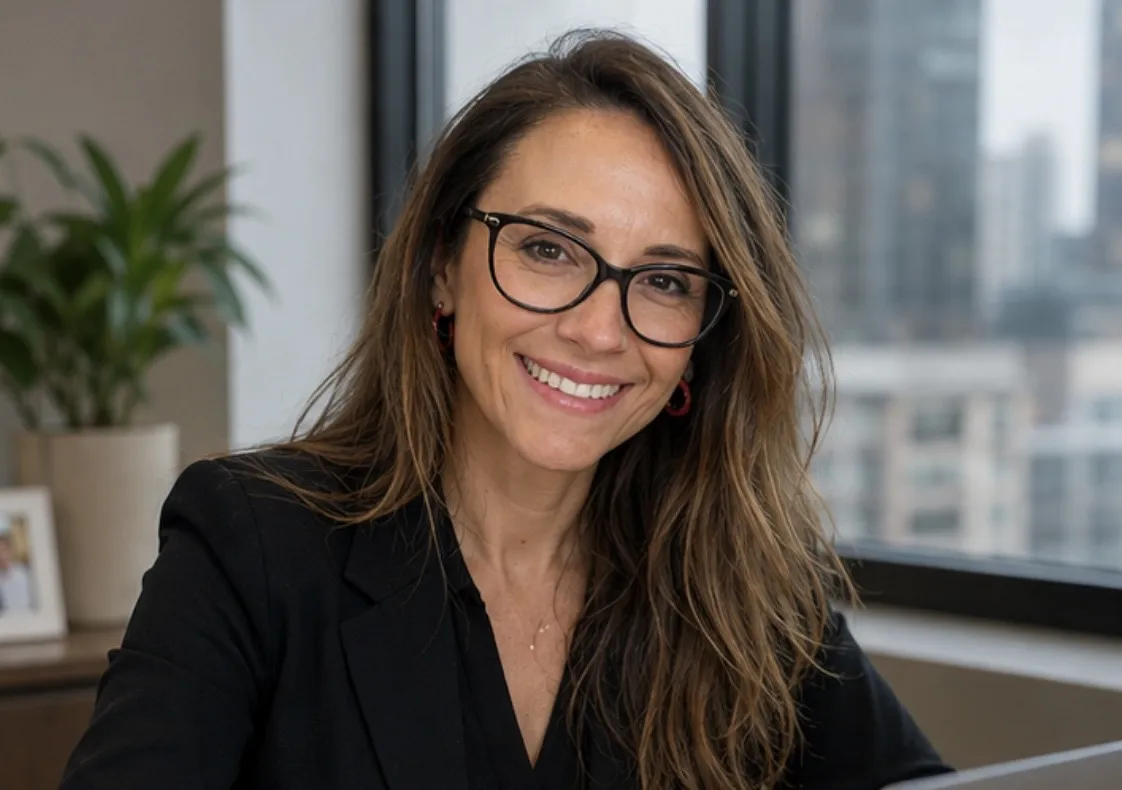
Shelly Temple MCIOB: Senior Quantity Surveyor
Shelly Temple MCIOB: Senior Quantity Surveyor
Photography BA (Hons) 2001-2004
What qualification did you do?
- Photography BA (Hons) 2001-2004
- Construction MSc - Construction Conversions Master Course, which was RICS-accredited, 2006-2008
- MCIOB – achieved CIOB chartership in Jan 2026
- PGCert Government Property Leadership Programme - started Sept 2025, in progress
How did you move from photography to construction?
After six months of travelling, I was invited by my father-in-law to temporarily fill an administrative role at ROK Construction. This opportunity developed into a position as a Maintenance Service Coordinator within a regional branch and then Regional Assistant Manager.
I found the construction industry highly engaging, which led me to enrol in the company’s postgraduate development programme. I subsequently moved into the Restoration and New Build Special Projects division to support my MSc studies.
What challenges did you face moving into the sector?
Entering the construction industry presented a number of challenges, particularly because it remains a predominantly male-oriented environment, especially on the contractor side. One of the main difficulties was establishing credibility and building confidence when managing subcontractors on a daily basis.
Early in my career, I often found that my knowledge and decisions were questioned more frequently, which required me to demonstrate resilience, consistency, and a strong grasp of technical and commercial aspects to gain respect. I also experienced instances of patronising behaviour from senior colleagues, along with assumptions about my long-term commitment to the industry—particularly the expectation that I might leave once starting a family.
These attitudes were challenging, but they ultimately strengthened my determination to progress and succeed. I overcame these challenges by focusing on professional development, including completing my MSc and working towards chartership (MCIOB), which helped reinforce my expertise and credibility. I also made a conscious effort to communicate clearly, remain confident in decision-making, and build strong working relationships with colleagues and subcontractors.
Over time, this approach enabled me to earn trust, demonstrate my capability, and establish myself as a respected professional within the industry.
How did you progress your career in construction?
When I first entered the construction industry, my development was largely self-driven.
As a main contractor, ROK Construction did not actively support or prioritise professional chartership, as there was no direct commercial benefit to the business in terms of charging for qualified versus non-qualified staff. As a result, I did not receive structured guidance, mentoring, or financial support towards achieving chartered status during my early career.
Despite this, I was highly motivated to progress professionally and took the initiative to pursue RICS chartership independently. I funded my own mentoring and application attempts; however, without the right level of organisational support or aligned experience, this proved to be challenging and ultimately was not successful, resulting in both time and financial investment that did not lead to the desired outcome.
It wasn’t until I joined the Department for Education (DfE) that I experienced a more supportive environment for professional development. However, I still found that structured support for RICS chartership was limited in practice. In light of this, and reflecting on my experience, I made the decision to pursue chartership through the CIOB route, which I found to be more aligned with my role and experience, and offered a more accessible and practical pathway.
Overall, the key factors that contributed most to my progress were my own resilience, commitment to continuous learning, and willingness to take ownership of my development. While organisational support varied, I remained proactive in gaining qualifications, building experience, and ultimately achieving chartered status through a route better suited to my professional background.
What advice would you offer to others in your situation?
Graduates from non-construction backgrounds should feel encouraged to enter the industry, as diverse skills and perspectives are increasingly valued. However, they should be prepared for a steep learning curve and recognise that construction—particularly on the contractor side—can still be a traditional and male-dominated environment.
My advice would be to focus early on building both technical understanding and confidence. You may initially feel that your knowledge or decisions are questioned more than others, particularly when managing subcontractors or working on site. It’s important to remain resilient, communicate clearly, and back up your decisions with solid reasoning and preparation. Over time, consistency and professionalism will help you gain credibility and respect.
I would also strongly recommend taking ownership of your professional development from the outset. Employer support can vary significantly, and you cannot always rely on structured guidance for chartership or progression. Research the different professional routes available (such as RICS and CIOB), consider which best aligns with your role, and seek mentoring early—ideally through a well-supported programme to avoid unnecessary time and cost.
Additionally, be prepared to challenge and navigate outdated perceptions. You may encounter assumptions about your long-term career, particularly around commitment to the industry. It’s important to stay focused on your goals and not be discouraged by these attitudes.
Ultimately, success in construction as a non-traditional entrant comes down to resilience, proactivity, and continuous learning. If you are willing to push yourself, build strong relationships, and take control of your development, the industry offers a wide range of rewarding and diverse career opportunities.
Transfer your skills
Contact our Press Office
We welcome requests for information, comments and interviews from journalists across the globe, so please feel free to contact us: